Download Options
Change language
English
isiZulu
isiXhosa
Afrikaans
Sepedi
Setswana
Sesotho
Xitsonga
siSwati
Tshivenda
isiNdebele
More languages...
Back to stories list
Ingoma yaSakima
Sakima's song
The audio for this story is currently not available.
Regular PDFs (full-page)
Bilingual PDFs
Booklet PDFs (for printing)
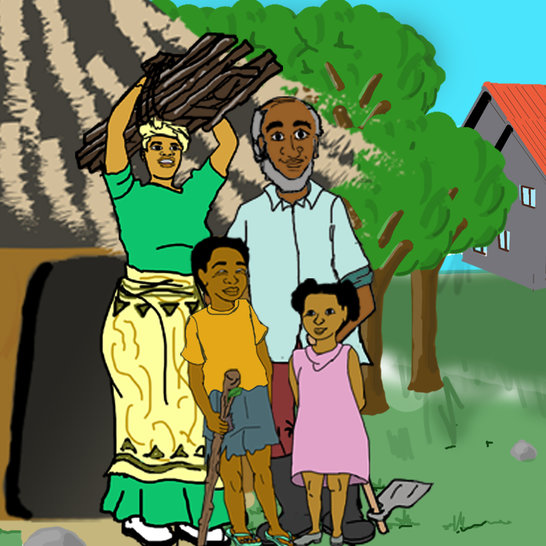
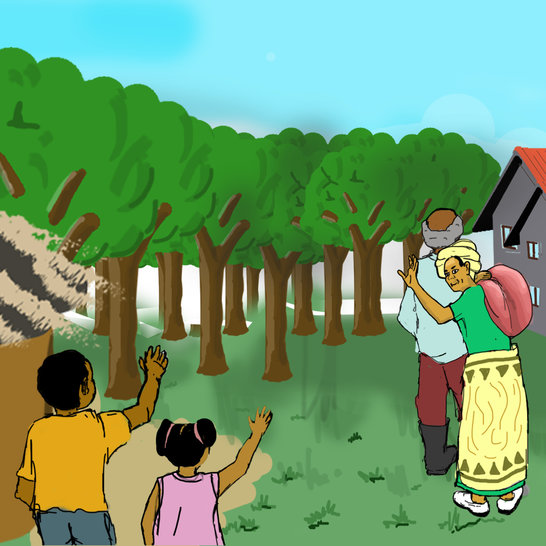
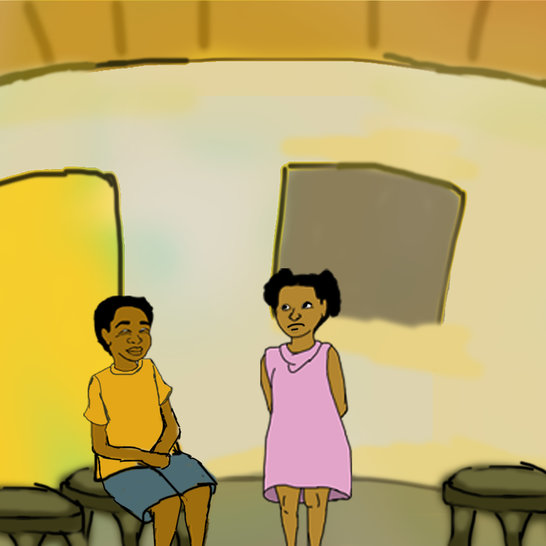
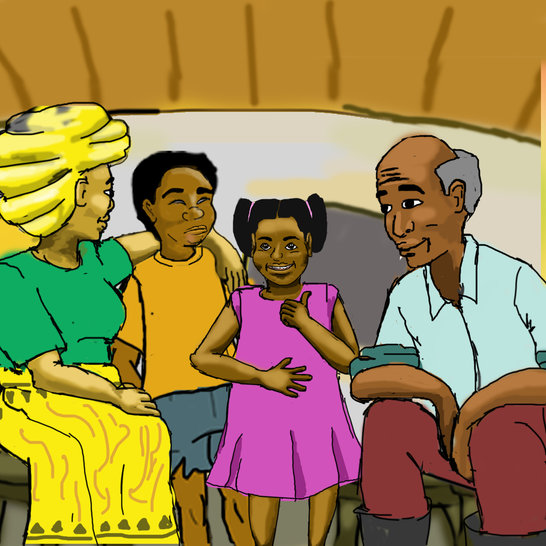
Sakima bekahlala nebatali bakhe kanye nadzadzewabo loneminyaka lemine. Bebahlala eveni lendvodza lenjingile. Lendlu yabo lefulelwe ngetjani beyisekugcineni kwemgca wetihlahla.
Sakima lived with his parents and his four year old sister.
They lived on a rich man’s land.
Their grass-thatched hut was at the end of a row of trees.
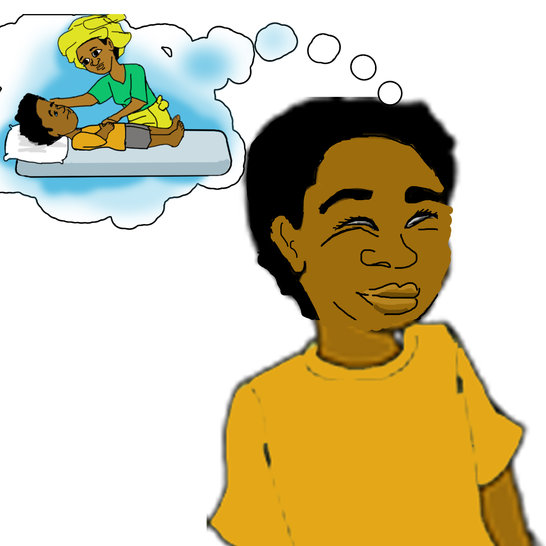
Ngesikhatsi Sakima aneminyaka lemitsatfu, wagula futsi wangasaboni kahle. Sakima bekangumfana lonelikhono.
When Sakima was three years old, he fell sick and lost his sight.
Sakima was a talented boy.
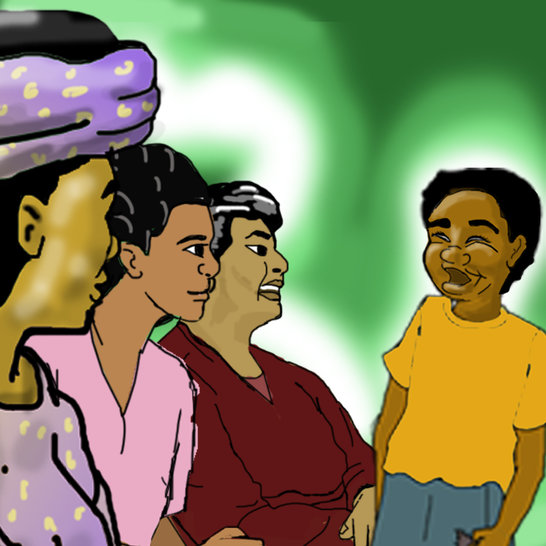
Sakima bekenta tintfo letinyenti lebetingentiwa ngulabanye bafana labaneminyaka lesitfupha. Sibonela saloko kutsi bekangahlala nemalunga lamadzala asendzaweni futsi acoce ngetintfo letibalulekile.
Sakima did many things that other six year old boys did not do.
For example, he could sit with older members of the village and discuss important matters.
Batali baSakima bebasebenta endlini yalendvodza lenjingile. Bebahamba ekhaya ekuseni kakhulu bese babuya nasekuhlwile. Sakima wasala nadzadzewabo lomncane.
The parents of Sakima worked at the rich man’s house.
They left home early in the morning and returned late in the evening.
Sakima was left with his little sister.
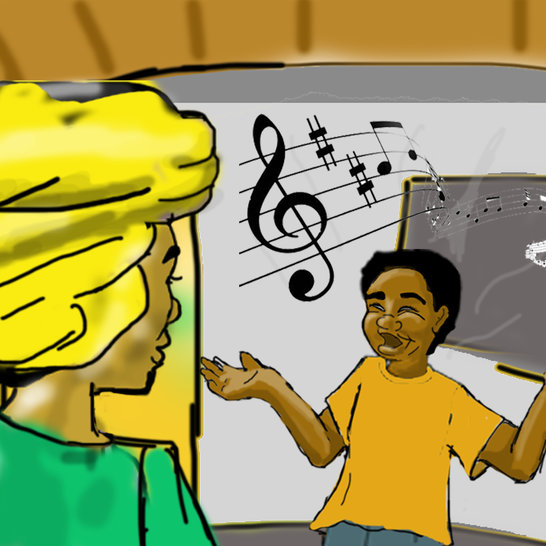
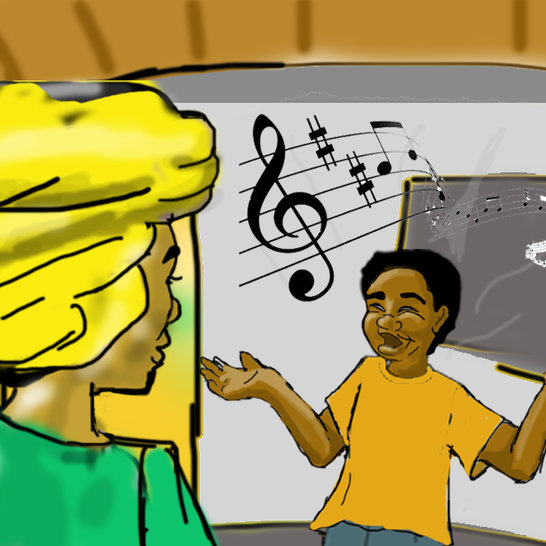
Sakima bekatsandza kuhlabela tingoma. Ngalelinye lilanga make wakhe wambuta watsi, “Utifundzaphi letingoma Sakima?”
Sakima loved to sing songs.
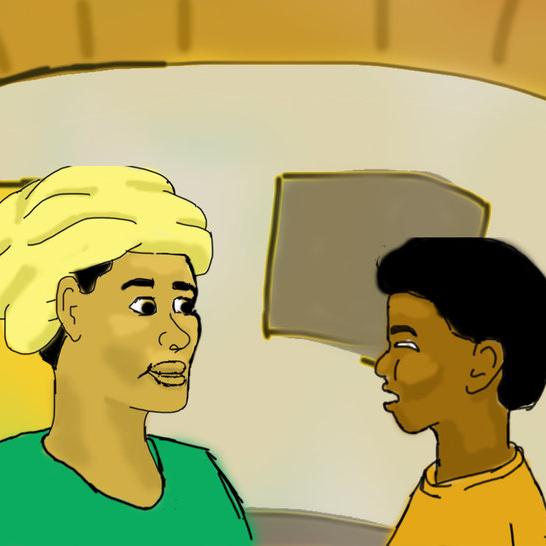
One day his mother asked him, “Where do you learn these songs from, Sakima?”
Sakima waphendvula watsi, “Tivele tifike make. Ngitiva enhloko yami bese ngiyahlabela.”
Sakima answered, “They just come, mother. I hear them in my head and then I sing.”
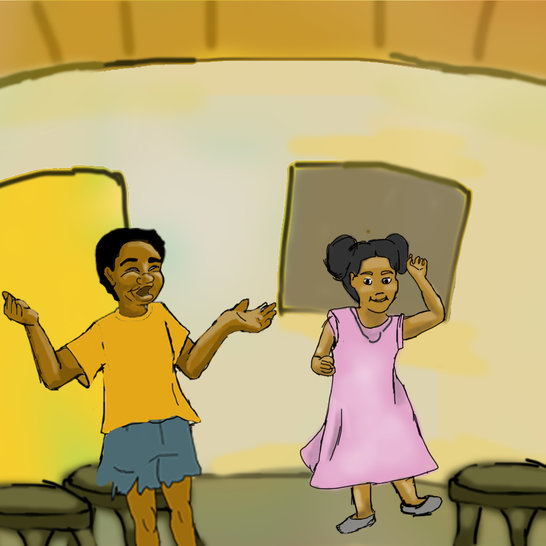
Sakima bekatsandza kuhlabelela dzadzewabo lomncane, ikakhulukati nangabe ativa alambile. Dzadzewabo bekamlalela ahlabelela ingoma yakhe layitsandzako. Bekatawugucugucuka ngendlela lepholisako.
Sakima liked to sing for his little sister, especially, if she felt hungry.
His sister would listen to him singing his favourite song.
She would sway to the soothing tune.
“Ungaphindzaphindza yini kuyihlabela, Sakima,” dzadzewabo bekamncenga. Sakima bekayemukela futsi ayihlabele aphindze ayiphindze.
“Can you sing it again and again, Sakima,” his sister would beg him.
Sakima would accept and sing it over and over again.
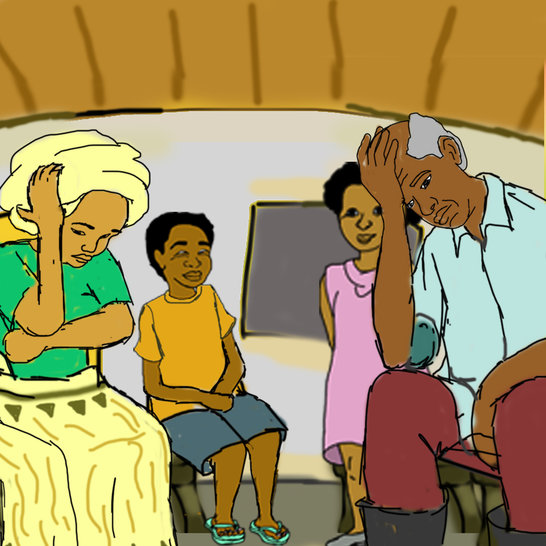
Ngalelinye lilanga kusihlwa ngesikhatsi batali bakhe babuyela ekhaya, bebathulile kakhulu. Sakima bekati kutsi kukhona lokungahambi kahle.
One evening when his parents returned home, they were very quiet.
Sakima knew that there was something wrong.
“Yini inkinga make, babe?” Kubuta Sakima. Sakima weva kutsi indvodzana yalendvodza lenjingile ayilahlekile. Lendvodza beyidzabuke kakhulu futsi inesitunge.
“What is wrong, mother, father?” Sakima asked.
Sakima learned that the rich man’s son was missing.
The man was very sad and lonely.
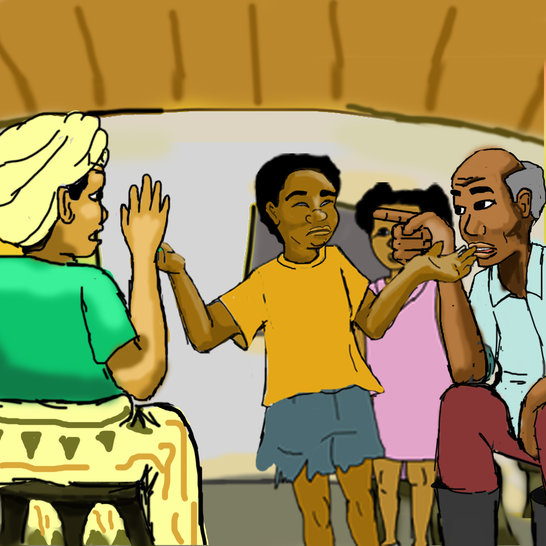
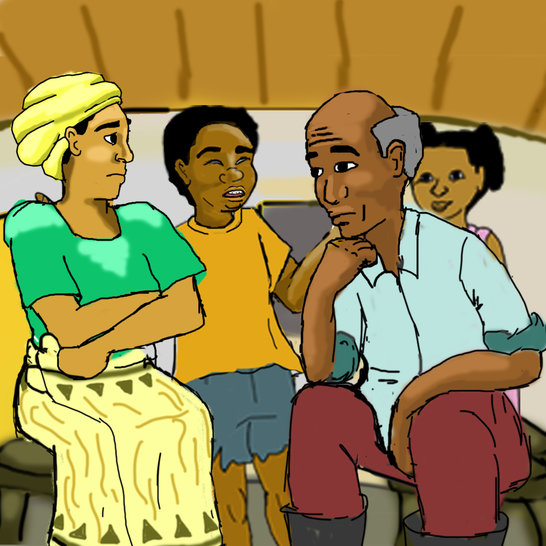
“Ngingamhlabelela. Kungenteka aphindze ajabule,” Sakima watjela batali bakhe. Kodvwa batali bakhe bamcosha. “Unjinge kakhulu. Ungumfana loyimphumphutse nje. Ucabanga kutsi ingoma yakho itamsita yini?”
“I can sing for him. He might be happy again,” Sakima told his parents.
But his parents dismissed him.
“He is very rich. You are only a blind boy. Do you think your song will help him?”
Nanobe kunjalo, Sakima akazange aphele emandla. Dzadzewabo lomncane wamsekela. Watsi, “Tingoma taSakima tiyangipholisa uma ngilambile. Titawupholisa nendvodza lenjingile.”
However, Sakima did not give up.
His little sister supported him.
She said, “Sakima’s songs soothe me when I am hungry. They will soothe the rich man too.”
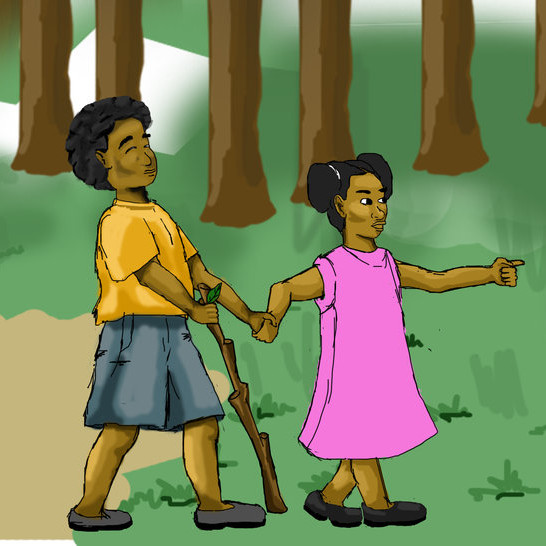
Ngelilanga lelilandzelako, Sakima wacela dzadzewabo lomncane kutsi amholele endlini yalendvodza lenjingile.
The following day, Sakima asked his little sister to lead him to the rich man’s house.
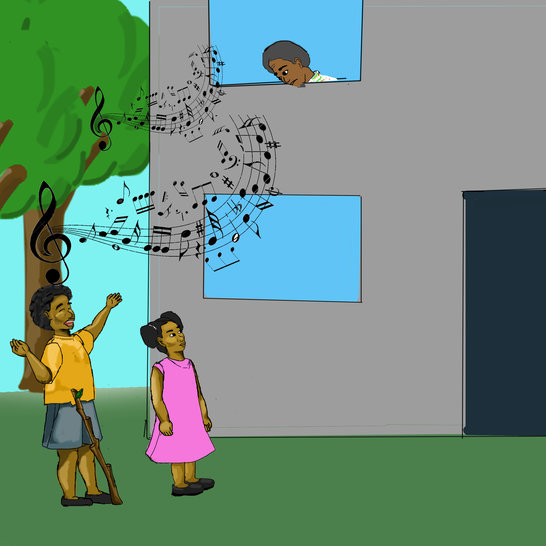
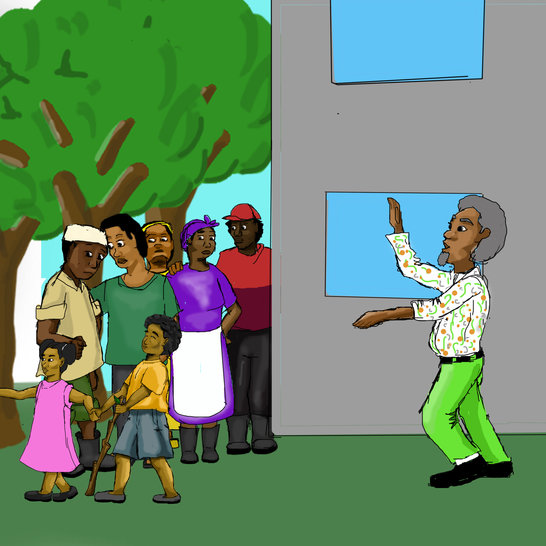
Wama ngephansi kwelifasitelo linye lelikhulu futsi wacala kuhlabela ingoma yakhe layitsandzako. Kancane kancane, inhloko yalendvodza lenjingile yacala kuvela ngelifasitelo lelikhulu.
He stood below one big window and began to sing his favourite song.
Slowly, the head of the rich man began to show through the big window.
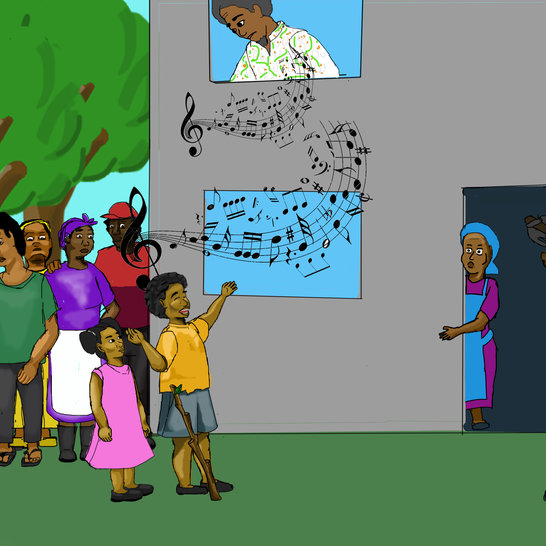
Tisebenti tayekela loko lebetikwenta. Balalela ingoma lemnandzi yaSakima. Kepha lenye indvodza yatsi: “Kute lokhonile kudvudvuta umphatsi. Lomfana loyimphumphutse ucabanga kutsi utamdvudvuta yini?”
The workers stopped what they were doing. They listened to Sakima’s beautiful song.
But one man said, “Nobody has been able to console the boss. Does this blind boy think he will console him?”
Sakima wacedza kuhlabela ingoma yakhe wagucuka wahamba. Kodvwa lendvodza lenjingile yaphuma ngekushesha yatsi: “Ngicela uphindze uhlabelele.”
Sakima finished singing his song and turned to leave.
But the rich man rushed out and said, “Please sing again.”
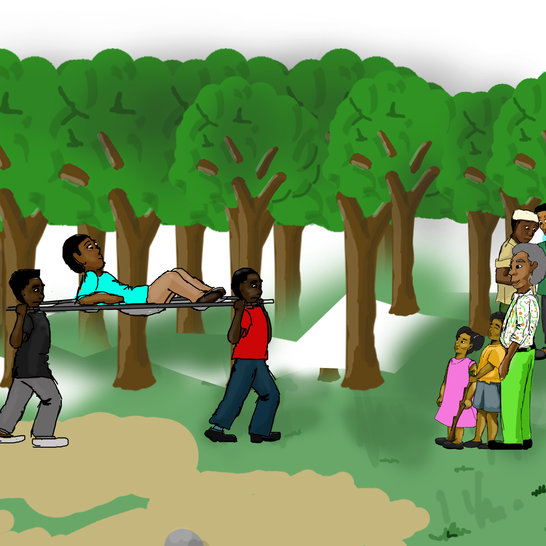
Ngaso leso sikhatsi, kwefika emadvodza lamabili aphetse umuntfu lotsite ngesitulo. Bebatfole indvodzana yalendvodza lenjingile ishaywe futsi ishiywe eceleni kwemgwaco.
At that very moment, two men came carrying someone on a stretcher.
They had found the rich man’s son beaten up and left on the side of the road.
Lendvodza lenjingile yajabula kakhulu ngekuphindze ibone indvodzana yayo. Wavuza Sakima ngekumdvudvuta. Watsatsa indvodzana yakhe naSakima wabayisa esibhedlela kute Sakima aphindze abone.
The rich man was so happy to see his son again.
He rewarded Sakima for consoling him.
He took his son and Sakima to hospital so Sakima could regain his sight.
Written by: Ursula NafulaIllustrated by: Peris WachukaTranslated by: NP Ngwenya